Asahi Kasei, Partners Develop Precious-Metal Traceability for Chlor-Alkali Electrolysis
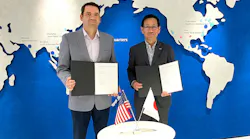
Asahi Kasei, Dutch software company Circularise and Furuya Metal of Japan launched a demonstration project Nov. 12 to track precious metals used in chlor-alkali electrolysis electrodes through recovery, refining and reuse. The partners will also evaluate digital product passports (DPPs) to document the materials' origins and circulation history.
The project will focus on iridium and ruthenium, which are used in chlor-alkali electrodes and other industrial applications. The companies plan to establish traceability from collection of end-of-life electrodes through metal extraction, refining and production of recycled materials. A second phase will evaluate linking that information to the manufacturing of new electrodes, creating a digital record of the recycled metals' path through the supply chain.
Furuya Metal will provide expertise in precious-metal refining, processing and recycling, while Asahi Kasei will contribute its experience in chlor-alkali electrolysis. Circularise will provide its digital traceability and data-sharing platform, which allows supply chain participants to exchange relevant material information while protecting confidential business data.
The demonstration builds on a recycling initiative launched in 2025 by Asahi Kasei, Furuya Metal, Dutch chlor-alkali producer Nobian and U.K.-based Mastermelt. That project focused on recovering precious metals from end-of-life electrolysis cells and electrodes for reuse. Asahi Kasei and Circularise also completed an earlier proof of concept between February and September 2025, using a simulated recycling scenario to test whether recovered-metal quantities and reuse information could be managed on the Circularise platform.
Supply availability is a concern for both metals. Asahi Kasei cited International Platinum Group Metals Association estimates of approximately 7 metric tons of annual primary iridium production and 30 metric tons of annual ruthenium supply worldwide. Both metals are largely recovered as byproducts of platinum mining, limiting the ability to increase production independently of other mining activities.
Digital product passports are intended to provide a record of materials, product origins, processing and recycling history. The partners will evaluate whether this information can be linked across the recycling chain to help verify recovered content and document the reuse of precious metals in newly manufactured electrodes. The companies also see potential applications for the approach in hydrogen electrolysis and other industries that use critical metals.
The initiative follows another recent Asahi Kasei development. On Nov. 4, the company signed a memorandum of understanding with U.S.-based Power to Hydrogen to evaluate manufacturing scale-up and commercialization of anion exchange membrane (AEM) water electrolysis systems. That separate initiative focuses on electrolyzer technology designed to use lower-cost materials and non-critical metals.