Asahi Kasei, Power to Hydrogen Assess AEM Electrolyzer Scale-Up
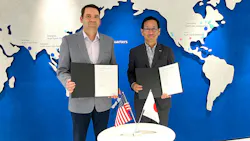
Tokyo-based Asahi Kasei and Columbus, Ohio-based Power to Hydrogen (P2H2) signed a memorandum of understanding Nov. 4 to evaluate manufacturing scale-up and commercialization of water electrolysis systems using anion exchange membrane (AEM) technology.
The agreement establishes a framework for combining P2H2’s AEM electrolysis technology with Asahi Kasei's experience in electrolysis, manufacturing and commercialization. The companies will assess potential approaches for advancing the technology toward industrial production and future commercial deployment.
AEM electrolyzers use an anion-exchange membrane to facilitate the separation of hydrogen and oxygen from water. The technology is being developed as an alternative to conventional electrolysis systems, with the potential to use lower-cost materials and non-critical metals while accommodating fluctuations in renewable electricity supply. These characteristics could help address equipment costs and material supply constraints associated with expanding hydrogen production, according to the companies.
The agreement builds on Asahi Kasei's existing work in large-scale alkaline water electrolysis. The company has operated a 10-MW-class electrolysis system at Japan's Fukushima Hydrogen Energy Research Field since 2020. Hydrogen produced there is being used in a green ammonia demonstration plant developed with JGC Holdings, which began production in January 2026. In March, Asahi Kasei announced plans to expand its hydrogen initiatives, including the installation of a 1-MW-class alkaline electrolyzer at a hydrogen refueling station in Finland.
P2H2 has also advanced its AEM technology beyond the pilot stage. In September, the company began commercial hydrogen production at the Port of Antwerp-Bruges in Belgium using a 500-kW system comprising two 250-kW AEM stacks. P2H2 said the system is expected to produce up to 70 metric tons of hydrogen annually for regional customers. The company is pursuing larger systems for industrial applications.
Why it Matters
Electrolyzer manufacturers are working to improve equipment economics, material availability and operating flexibility as chemical producers and other industrial users evaluate renewable hydrogen as a feedstock. AEM technology offers another option alongside established alkaline and proton exchange membrane (PEM) electrolysis. Its potential use of less expensive, non-critical materials could help address supply constraints involving specialized metals used in some electrolyzer designs.
The commercial-scale P2H2 installation in Belgium provides an early operating example of the technology, while the agreement with Asahi Kasei focuses on manufacturing scale-up and broader commercialization.
The MOU does not commit the companies to a specific manufacturing investment, production capacity or commercial deployment schedule. They said further technical work and evaluation will determine potential next steps.