Asahi Kasei Expands Recycling, Hydrogen Initiatives to Support Decarbonization
Japan-based chemical company Asahi Kasei recently announced it is advancing multiple initiatives to improve sustainability across its operations, including a titanium recycling program for electrolysis systems and deployment of hydrogen production technology in Europe.
In collaboration with Nippon Steel and Nippon Steel Trading, the company has launched a recycling initiative to convert high-purity titanium scrap from electrolysis cell manufacturing into raw material for reuse.
According to the announcement, the program focuses on recovering high-purity titanium scrap generated at Asahi Kasei’s Nobeoka site and reintroducing it into the production cycle through remelting. The initiative is designed to reduce environmental impact while improving resource efficiency in chlor-alkali electrolysis, where titanium is used for corrosion resistance in chlorine production.
The companies said Asahi Kasei manages traceability and contamination control during scrap collection using digital tools, while Nippon Steel Trading handles processing and preparation for remelting. A portion of the processed material is then supplied back to Nippon Steel for use in its titanium production processes.
The companies said they plan to expand collaboration to increase recycling rates and support circularity across the chlor-alkali value chain.
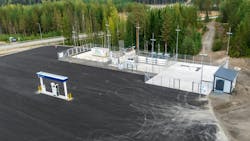
Separately, Asahi Kasei has begun installing a containerized alkaline-water electrolyzer at Finland’s first commercial hydrogen refueling station in Jyväskylä. According to the company, the 1 MW-class system is expected to begin operations in summer 2026 and produce up to 400 kilograms of hydrogen per day for use in fuel cell vehicles and buses. The project is being implemented with the Central Finland Mobility Foundation and will be operated by its subsidiary Cefmof Hydrogen.
The company said the electrolyzer deployment builds on its experience in chlor-alkali electrolysis and supports the development of hydrogen infrastructure in cold climates. Asahi Kasei also said it is expanding its electrolyzers to address a range of hydrogen production scales, from small modular systems to larger installations.
These developments follow broader decarbonization efforts. In January, Asahi Kasei joined Mitsui Chemicals and Mitsubishi Chemical to advance ethylene production consolidation and bio-based feedstock technologies in Japan.