Asahi Kasei Subsidiary Tongsuh Petrochemicals Verifies Acrylonitrile Carbon Footprint
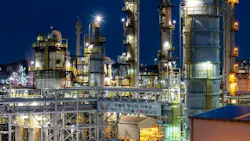
Tongsuh Petrochemical, a South Korean subsidiary of Tokyo-based chemical and materials company Asahi Kasei, announced it has received independent third-party verification of the product carbon footprint (PCF) for acrylonitrile produced at its Ulsan manufacturing site.
Socotec Certification Japan conducted the audit, reviewing the methodology, source data and reporting process used to calculate the fiscal 2025 carbon footprint from raw material procurement through production. The verification achieved “Reasonable Assurance,” a higher level of assurance than “Limited Assurance,” according to the company.
Acrylonitrile is an intermediate used to manufacture acrylonitrile butadiene styrene (ABS) resins, acrylamide, acrylic fibers and carbon fiber precursor materials.
Tongsuh Petrochemical obtained ISCC PLUS certification in 2021 and began producing and marketing acrylonitrile using biomass-derived propylene in 2022. The company uses a mass-balance approach to account for renewable feedstocks within its production system.
Asahi Kasei said it plans to continue reducing greenhouse gas emissions associated with acrylonitrile production through improvements to its proprietary catalysts and manufacturing technologies, alongside expanded use of biomass-based feedstocks.
Why it Matters
Independent verification provides chemical producers and their customers with more reliable data for assessing product-level emissions across supply chains.
The development follows other efforts to establish standardized carbon accounting for chemical manufacturing. On Oct. 9, Chemical Processing reported that Moeve Chemicals had undergone a pilot audit under the International Sustainability and Carbon Certification (ISCC) organization’s new Carbon Footprint Certification framework, which covers phenol, acetone, alpha-methylstyrene and cumene produced at its Spanish plant.
The verification also comes as Asahi Kasei restructures its acrylonitrile production footprint. In May, the company announced plans to discontinue its 200,000-metric-ton-per-year acrylonitrile production line at Mizushima Works in Japan by fiscal 2030, while converting a separate 50,000-metric-ton-per-year methacrylonitrile line to co-produce acrylonitrile and methacrylonitrile. The company said supply would continue through the revised Japanese operation and Tongsuh Petrochemical in South Korea.