Eastman Regains $375M DOE Grant to Expand Plastics Recycling
Eastman will receive a previously canceled $375 million clean-energy grant that the company will use to boost output at its Kingsport, Tennessee, methanolysis facility.
The company had originally intended to use the Department of Energy award for a planned advanced plastics recycling plant in Longview, Texas. But Eastman scrapped those plans after DOE included the project among 24 awards that it canceled. At the time, Energy Secretary Chris Wright stated the plans weren’t economically viable and failed to advance U.S. energy needs.
Eastman began reevaluating the project’s scope, timing and location “to determine a disciplined, milestone-based path forward,” said company spokesperson Kristin Parker days after the Oct. 29 announcement.
The project scope has evolved significantly during the reinstatement process and reflects a more capital-efficient approach to scaling, said Parker in an email.
The company will use the grant, minus $35 million already received under the previous agreement, to increase output at the commercial-scale methanolysis facility in Kingsport by approximately 30% through debottlenecking and technology advancements.
The project scope now includes goals to advance the recycled polyethylene terephthalate, or PET, supply chain by restarting or repurposing underutilized recycling infrastructure.
“It also provides a practical pathway for reshoring parts of the PET supply chain, which are important to the Administration,” Parker said.
The plan also includes a second U.S. methanolysis facility, though the company didn’t state whether it was considering the Longview site for a future plant.
“As we work through the process, we are evaluating the optimal location within the context of our more capital-efficient scaling model,” Parker said. “Site and timing and location decisions will be based on the overall economics, strategic fit, customer commitments and supportive policy.”
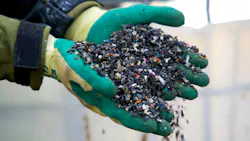
The methanolysis process breaks down plastic waste that cannot be efficiently mechanically recycled, such as colored and opaque polyesters, pots, tubs and trays, to its molecular building blocks and reassembles them into virgin-quality materials.
About the Author
 Jonathan Katz
Executive Editor
Jonathan Katz, executive editor, brings nearly two decades of experience as a B2B journalist to Chemical Processing magazine. He has expertise on a wide range of industrial topics. Jon previously served as the managing editor for IndustryWeek magazine and, most recently, as a freelance writer specializing in content marketing for the manufacturing sector.
His knowledge areas include industrial safety, environmental compliance/sustainability, lean manufacturing/continuous improvement, Industry 4.0/automation and many other topics of interest to the Chemical Processing audience.
When he’s not working, Jon enjoys fishing, hiking and music, including a small but growing vinyl collection.
Jon resides in the Cleveland, Ohio, area.