Bristol Myers Squibb Plans $2.3B Flexible Manufacturing Campus in Texas
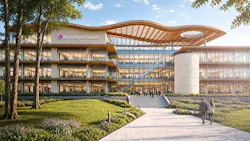
Bristol Myers Squibb (BMS), Princeton, N.J., plans to build an approximately $2.3 billion manufacturing campus at Generation Park in Houston, Texas, designed to provide flexible production capacity for multiple types of medicines.
The approximately 600,000-sq-ft facility will use a modular design that allows manufacturing capacity and configurations to be added or changed as production requirements evolve. The campus will support small molecules, biologics and antibody-drug conjugates, with capabilities spanning late-stage development through commercial production.
For process engineers and plant operators, the project highlights the increasing emphasis on flexibility in pharmaceutical manufacturing. Rather than designing a fixed production footprint around a single product or process, BMS said the Houston campus will be configured to accommodate changes in its product pipeline, with manufacturing capabilities that can be brought online or reconfigured as requirements change.
The site also will incorporate digital technologies and automation and is being designed to accommodate future manufacturing technologies. Operations will require personnel across production, maintenance, engineering and quality, with nearly 500 skilled positions expected at the campus.
Construction is expected to generate approximately 2,000 construction and indirect jobs between 2027 and 2030. BMS selected Houston following an evaluation of multiple locations, citing the region's workforce, utilities and transportation infrastructure and potential for long-term expansion.
The project is part of BMS' broader plan to invest $40 billion in U.S. research, technology and manufacturing over five years. The company said the Houston campus is intended to increase domestic manufacturing capacity and provide greater flexibility to respond to changes in its product pipeline and demand.
The project adds to a growing wave of U.S. pharmaceutical manufacturing investments. AbbVie plans to invest $1.4 billion in a Durham, N.C., campus focused initially on small-volume injectable medicines, incorporating advanced manufacturing technologies and artificial intelligence.
Meanwhile, Eli Lilly has announced a more than $3.5 billion injectable medicine and device manufacturing site in Pennsylvania, as well as a $6.5 billion biomanufacturing facility in Houston.
The projects reflect continued expansion of domestic pharmaceutical production and increased use of automation, digital technologies and flexible manufacturing approaches.