ExxonMobil Raises Outlook, Outlines 2030 Operational Plan
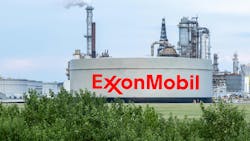
ExxonMobil released on Dec. 9 an updated corporate plan through 2030 that outlines shifts in production strategy, process technology deployment and lower-carbon project development. While the company raised its long-term earnings outlook, the update centers on operational expansions in upstream assets, advanced materials and carbon management.
According to the company, total upstream production is expected to reach about 5.5 million oil-equivalent barrels per day by 2030, driven by development in the Permian Basin, Guyana and LNG projects. ExxonMobil said technology improvements and efficiency gains are supporting higher output, with plans to roughly double production in the Permian by 2030 compared to 2024.
In addition, the company said its Product Solutions segment is positioned to increase production of higher-value fuels, chemicals and engineered materials. New product platforms, including Proxxima systems and carbon-based materials, are projected to account for a significant share of future output as projects already online continue to scale.
ExxonMobil reported continued expansion of its carbon capture and storage portfolio, including roughly 9 million metric tons per year of CO₂ under contract from third-party customers. The first of its Gulf Coast CCS projects began operation this year, and additional projects with partners including Linde, Nucor and New Generation Gas Gathering are scheduled to start up in 2026.
The company is also advancing CCS-enabled hydrogen and lower-carbon fuels, along with a CCS-supported data center concept that is targeting a late-2026 investment decision. Upstream growth, engineered materials development and lower-carbon infrastructure form the basis of what the company described as its long-term operational trajectory.
ExxonMobil said it expects to achieve all greenhouse-gas emissions intensity targets originally set for 2030 by 2026.