Vynova Belgium Declared Bankrupt After Failed Rescue Efforts
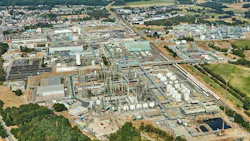
Chemical company Vynova Belgium NV has been declared bankrupt after failing to secure a buyer or recapitalization for its chemical manufacturing business in Tessenderlo-Ham, Belgium. The Hasselt enterprise court issued the ruling on November 12, following the company's November 10 bankruptcy filing.
Approximately 600 employees are affected, according to Belgian media reports. The court appointed four curators to oversee the bankruptcy proceedings and the company's assets.
Vynova Belgium had been under judicial reorganization since December 26, 2025, while it pursued discussions with several parties about a potential recapitalization or acquisition. Those efforts did not produce an agreement.
The company cited high and volatile energy prices, persistently weak demand and increasing imports from regions with lower production costs as factors that undermined its efforts to secure an investor.
Vynova said it began winding down production at the Belgian site in late October. Management expressed regret over the outcome despite efforts by employees and business partners to find a solution.
The Tessenderlo-Ham site is part of Vynova's integrated chlor-alkali and polyvinyl chloride (PVC) production operations. Its manufacturing activities include upstream chemicals such as vinyl chloride monomer (VCM), a feedstock used to produce PVC.
The bankruptcy comes amid financial distress at other Vynova operations in Europe. LVM Netherlands BV, which operates the company's Beek site in the Netherlands, applied for suspension of payments on November 10. Vynova Mazingarbe SAS in France is assessing the impact and will determine any necessary steps under French law and in consultation with local employee representatives.
Separately, Vynova's U.K. operations underwent an insolvency process in 2025, when Vynova Runcorn Ltd. entered administration, a procedure in which appointed administrators take control of a company's affairs. INEOS Inovyn announced plans in August to acquire the company's ethylene dichloride (EDC) assets and remaining 50% stake in Runcorn MCP Ltd. and completed the acquisition on October 30, 2026. The transaction brought the site's EDC and chlor-alkali operations under common ownership and safeguarded approximately 75 jobs, according to the administrators.