UPM Opens $1.5B Renewable Chemicals Biorefinery in Germany
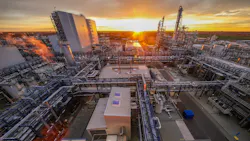
UPM has inaugurated a €1.37 billion ($1.5 billion) biorefinery in Leuna, Germany, to produce renewable chemicals from wood-based biomass, marking the start of commercial-scale production at a facility with an annual capacity of 220,000 metric tons.
The facility processes beechwood from forest thinnings and sawmill residues sourced within about 200 kilometers of the site. The feedstock is unsuitable for higher-value uses such as timber or furniture, according to UPM.
The biorefinery uses enzymatic hydrolysis to break down lignocellulosic biomass into industrial sugars and lignin, which can serve as renewable feedstocks for chemicals production. UPM said enzymatic hydrolysis and production of lignin-derived specialty chemicals have reached stable operation, while sales of these products are ramping up.
The renewable chemicals are intended for use in products including clothing, packaging, cosmetics, construction materials and tires, replacing some fossil-based raw materials. The company did not disclose production volumes during the ramp-up or provide a timeline for reaching full capacity.
UPM CEO Massimo Reynaudo said the facility creates new markets for the company’s renewable chemicals and opportunities for customers seeking alternatives to fossil-based inputs.
The Leuna project expands industrial-scale production of chemicals from lignocellulosic biomass, a feedstock that can be converted into multiple chemical building blocks. Its commercial performance will depend in part on the facility’s production ramp-up and the ability of downstream manufacturers to qualify and adopt the renewable materials, the company said.