Ineos Idles Europe’s Last World-Scale Acetyls Plants
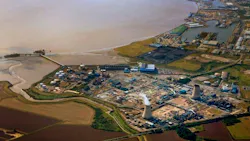
Ineos is idling three world-scale chemical plants at its Hull, U.K., site, citing high European energy costs and increasing competition from lower-cost imports.
The three units are Europe’s last remaining world-scale acetyls plants, according to Ineos. The facilities produce chemical intermediates used in pharmaceuticals, food products, clothing, cosmetics, detergents, construction materials and other applications, including military explosives.
The plants support almost 4,000 jobs, including associated apprenticeship programs, and supply customers throughout Europe.
Ineos said European natural gas prices have reached 12 times U.S. levels. The plants use natural gas for both energy and as a feedstock in their production processes. The company also said European gas is about eight times more expensive than production based on coal in China.
Two of the three Hull plants have already ceased production, with the third scheduled to shut down within days. INEOS said the units will be mothballed until further notice.
The Hull operation produces acetic acid, acetic anhydride and ethyl acetate. INEOS lists annual site capacities of 500,000 metric tons for acetic acid, 150,000 metric tons for acetic anhydride and 200,000 metric tons for ethyl acetate.
Ineos said the Hull plants are among the world's most efficient and operate at low carbon-emissions levels following repeated investments in the site. The company said products made at Hull have a carbon footprint two times lower than comparable U.S. production and eight times lower than Chinese production.
“I’m sure people will find it hard to believe that we are being forced to mothball some of the most efficient plants in Europe, but with gas prices now 12 times the level in the U.S. and 8 times that of China, we just cannot compete,” Sir Jim Ratcliffe, chairman of Ineos, said in a statement.
Ratcliffe said high energy costs and carbon-related costs are undermining European manufacturing competitiveness and could shift production to the United States and China.
Why it Matters
The Hull announcement follows other changes to Ineos' European chemical footprint. In August, Ineos Inovyn agreed to acquire the remaining 50% of Runcorn MCP Ltd. and the assets and employees associated with ethylene dichloride production at the Runcorn, U.K., site from Vynova Runcorn Ltd.
The transaction would give INEOS Inovyn full ownership of the EDC operation and integrate it with the site's chlor-alkali operations. Runcorn supplies about 98% of the chlorine used for drinking-water treatment in the U.K., according to INEOS. The acquisition remains subject to regulatory approval.
EDC is primarily used to produce vinyl chloride monomer, which is then used to manufacture PVC. The Runcorn site also supplies chlor-alkali products to customers in chemical production, food manufacturing, pharmaceuticals, health care and construction.
The Hull decision highlights the effect of energy and feedstock costs on the economics of European chemical production. Ineos is simultaneously consolidating some production capacity while investing in or acquiring assets considered strategically important to its European manufacturing network.