Covestro-Backed BioBTX to Build Commercial Plastic-Waste Recycling Plant
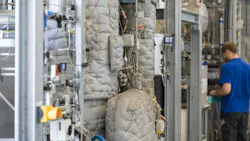
In case you missed it, late last month, BioBTX, a Covestro-backed circular chemistry technology developer, announced it will build a commercial-scale plant in Delfzijl, the Netherlands, to convert mixed plastic waste into aromatic chemicals using its Integrated Catalytic Cracking Process (ICCP).
The facility is expected to process about 20,000 metric tons of waste annually and produce approximately 10,000 metric tons of aromatic oil and 8,000 metric tons of sustainable byproducts. The project is anticipated to create 35 jobs.
BioBTX’s ICCP technology uses catalytic pyrolysis to convert mixed plastic waste into an aromatic oil containing benzene, toluene and xylenes (BTX). These chemicals are used as building blocks for products including coatings, pharmaceuticals and performance materials.
Covestro has been a shareholder and strategic partner of BioBTX since 2024. According to Covestro, the aromatic chemicals could also be used to produce methylene diphenyl diisocyanate (MDI) and toluene diisocyanate (TDI), which are used to manufacture polyurethane foams for applications including mattresses and refrigerator insulation.
The company expects the process to reduce greenhouse gas emissions associated with the resulting chemical building blocks by 70% to 80% compared with conventional fossil-based BTX production. BioBTX said the ICCP technology can process mixed plastic waste rather than requiring a single sorted waste stream.
The plant will be built at Chemical Park Delfzijl, a chemical manufacturing cluster in the northern Netherlands. BioBTX said the project follows 14 years of laboratory and pilot-scale development of the ICCP technology. The company said the process also can accommodate other potential feedstocks, including biomass.
The BioBTX project comes as Covestro pursues additional MDI capacity. In June, the company announced plans to invest in a 660,000-metric-ton/year MDI production train at its integrated manufacturing site in Shanghai, China. Startup is targeted for the end of the decade, according to Covestro.
The company said the project will include upstream production units and supporting infrastructure for key intermediates. It also plans to use its AdiP technology, which is reportedly expected to reduce energy consumption and enable net-zero Scope 1 and Scope 2 greenhouse gas emissions at the facility.
Covestro is also conducting a feasibility study for a similarly sized MDI production train at Al Ruwais Industrial City in the United Arab Emirates. The study will examine integration with the TA'ZIZ chemicals hub, including access to renewable energy and local raw materials such as chlorine and ammonia, according to the company.