Neste Commissions $120M Plastic Waste Upgrading Unit, Addresses Supply Chain Integrity
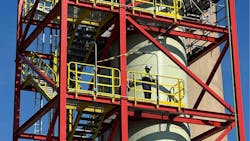
Neste has commissioned a liquefied waste plastic upgrading facility at its Porvoo refinery in Finland and outlined measures to mitigate fraud risks in its renewable raw material supply chains, the company said.
According to the company, the €111 million ($120 million) facility is designed to process up to 150,000 tons of liquefied waste plastic annually, with production ramp-up beginning in 2026. The unit upgrades lower-quality plastic-derived oils into feedstock suitable for plastics and chemicals manufacturing, helping close the quality gap between waste streams and industry requirements.
The company said the facility processes liquefied plastic waste alongside crude oil using a mass balance approach to attribute recycled content to end products. According to the company, this process can reduce virgin fossil resource use by more than 70% and greenhouse gas emissions by more than 35% compared to incineration and fossil feedstock use.
Neste said the facility is designed to handle difficult-to-recycle materials such as mixed plastics, multi-layer packaging and contaminated waste streams that are not suitable for mechanical recycling. The company also said it licenses related liquefaction technology in partnership with Alterra and Technip Energies.
In a separate announcement, the company said it is not aware of any verified cases of fraud directly linked to its renewable raw material sourcing but is continuing to strengthen controls across its supply chains. According to the company, these measures include supplier audits, traceability requirements, laboratory testing and participation in industry initiatives such as the International Sustainability and Carbon Certification.
The company said it also uses physical and chemical analysis to detect contamination or mislabeling and supports digital tracking systems to improve transparency. According to the company, it would take immediate action if evidence of fraudulent activity is identified.
The updates follow earlier efforts to expand renewable feedstock supply. In 2025, Neste announced a collaboration with Bayer to develop winter canola as a biomass-based feedstock for renewable fuels, with a planned product launch in 2027.