DOE Launches $100M Critical Minerals Workforce Initiative
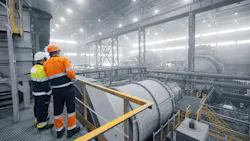
The DOE’s Office of Critical Minerals and Energy Innovation on Aug. 7 announced a Notice of Intent for the Providing Opportunities for Specialized Education in Critical Technologies (PROSPECT) initiative. The program is intended to expand higher-education programs and develop workers needed across the domestic critical-minerals supply chain.
The initiative will support scholarships, financial assistance, curricula, teaching tools and other programs at colleges and universities. DOE aims to double the number of graduates with degrees related to mining, minerals and associated supply-chain technologies within two years.
DOE estimates the U.S. will need about 6,000 new mining engineers over the next decade. The agency also identified workforce shortages in materials science, mineral processing and recycling.
For chemical processors, the initiative could help address workforce needs in the downstream stages of critical-minerals production, where chemical engineering expertise is used for mineral separation, refining, extraction, recovery and recycling. Expanding domestic processing capacity also will require engineers and technicians familiar with unit operations, process control, materials handling and environmental and safety systems.
The workforce initiative comes as the federal government also moves to expand domestic investment in critical-minerals and battery-material projects. Reuters reported Aug. 7 that the administration plans about $3 billion in investments and loans for projects involving critical minerals and battery materials, including financing for lithium-ion battery components, scandium and rare-earth-related projects.
The DOE said PROSPECT is intended to provide the workforce needed to support domestic production, processing, recovery and recycling as these industries expand.