Koppers Accelerates Illinois Plant Closure, Transfers Operation to Denmark
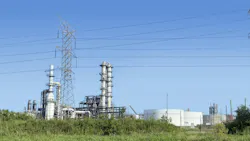
Koppers is accelerating the planned closure of its Carbon Materials and Chemicals (CMC) manufacturing facility in Stickney, Illinois, as part of a broader effort to optimize its manufacturing network and reduce operating costs.
The company said during its second-quarter earnings announcement that it is moving ahead with the previously announced shutdown of the Stickney plant while continuing network optimization initiatives across its Railroad and Utility Products and Services (RUPS) business. CEO Leroy Ball said the operational changes are intended to improve asset utilization and lower manufacturing costs amid continued pressure in several end markets.
Koppers first announced plans in May to discontinue distillation and chemical manufacturing operations at the Stickney facility, subject to labor negotiations. The closure is expected to affect approximately 85 employees, with production targeted to end by Dec. 31, 2026.
According to the company, production will be transferred to its coal tar distillation facility in Nyborg, Denmark, which has sufficient capacity to absorb the volume. Koppers has also expanded shipping and terminal capabilities to maintain supply of pitch and creosote products to North American customers during the transition.
The company cited aging infrastructure, higher operating costs, declining raw material availability from North American steel producers and excess industry capacity as factors behind the decision to close the Illinois facility. Koppers is evaluating future uses for the Stickney site after production ends.
The company also reported continued progress on its Catalyst transformation initiative, which includes manufacturing network optimization efforts across multiple business units. According to Koppers, operational improvements helped offset some of the impact of higher raw material costs and weaker market conditions during the quarter.
Within its CMC business, the company said operating cost savings from discontinuing phthalic anhydride production at Stickney partially offset higher raw material and operating expenses. In its Railroad and Utility Products segment, improved throughput from network optimization initiatives also helped reduce operating costs.