CSB Urges Chemical Facilities to Strengthen Hurricane Preparedness Ahead of 2026 Season
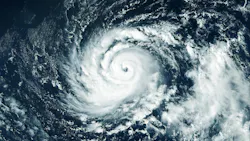
The U.S. Chemical Safety and Hazard Investigation Board is urging chemical manufacturers and processors to review emergency preparedness plans ahead of the 2026 Atlantic hurricane season, which began June 1 and runs through Nov. 30.
According to the CSB, severe weather events can trigger catastrophic chemical releases if facilities are not adequately prepared. Although the National Oceanic and Atmospheric Administration has forecast a below-normal hurricane season, the agency said facilities should maintain preparedness efforts.
“Although the prediction is for a below-normal hurricane season, it only takes one bad storm hitting one unprepared facility to lead to a catastrophic chemical incident,” said CSB Chairperson Steve Owens in a statement.
The CSB referenced findings from two previous storm-related investigations. In 2017, Hurricane Harvey flooded the Arkema facility in Crosby, Texas, causing refrigeration and backup power failures that led to decomposition of organic peroxides, fires and community evacuations. In 2020, Hurricane Laura damaged the Bio-Lab facility in Westlake, Louisiana, where rainwater contacted stored trichloroisocyanuric acid, triggering a chemical reaction and releasing chlorine gas.
According to the agency, both incidents exposed vulnerabilities involving backup power systems, hazardous material storage, emergency planning and facility design during extreme weather events.
The CSB urged facilities to prioritize securing hazardous materials, maintaining backup power for critical safety systems, training personnel on emergency procedures and coordinating response plans with local emergency management agencies.
The agency also directed facilities to technical resources including investigation reports and safety videos covering the Arkema and Bio-Lab incidents, along with guidance from the Center for Chemical Process Safety on planning for natural hazards.
The preparedness warning comes as the CSB continues investigations into a fatal white liquor tank implosion at the Nippon Dynawave Packaging paper mill in Longview, Washington. The board also recently released its final report on the 2024 reactor explosion at the former Givaudan Sense Colour facility in Louisville, Kentucky, which killed two workers and was linked to a runaway decomposition reaction and inadequate emergency pressure relief capacity.