Analysis: EPA Rollback of Chemical Safety Rules Could Heighten Disaster Risks
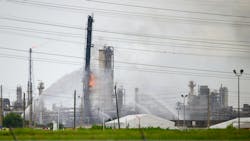
A new analysis and interactive map warn that proposed rollbacks to federal chemical safety rules could increase risks for workers and nearby communities, particularly in Texas, home to a high concentration of hazardous facilities, according to an announcement from several environmental organizations.
The report, Disaster Déjà Vu, examines six Texas facilities regulated under the U.S. Environmental Protection Agency’s Risk Management Program (RMP), which sets requirements for facilities handling highly hazardous chemicals. According to the announcement, new RMP provisions finalized in 2024 under the Environmental Protection Agency (EPA) during the Biden Administration were scheduled to begin taking effect this year before the Trump Administration EPA proposed changes that would scale back certain requirements.
The analysis was co-authored by Coming Clean, the Environmental Justice Health Alliance for Chemical Policy Reform and Texas Environmental Justice Advocacy Services. It argues that weakening the rules would reduce oversight of facilities with recent histories of fires, explosions and toxic releases.
Among the case studies highlighted:
Pemex’s Deer Park refinery, which the report says has experienced five incidents in five years, including a fatal fire, would no longer be subject to expanded worker participation and stop-work authority provisions.
Olin Corporation’s Blue Cube facility in Freeport, which released chlorine gas last year, could be exempted from conducting an independent safety audit after an accident under the proposed changes.
Marathon Petroleum’s Galveston Bay refinery in Texas City would not be required to evaluate or implement safer alternatives for certain highly hazardous chemicals, including hydrofluoric acid, the groups said.
ExxonMobil’s Baytown refinery, located in a hurricane-prone area, would no longer be explicitly required to consider natural hazards such as flooding and storm surge in its risk management planning.
The report also states that more than 100 RMP-regulated facilities nationwide have experienced more than one chemical incident over the past five years, based on EPA data and media reports.
Advocates argue that the proposed rollbacks would reduce safeguards intended to prevent repeat disasters and limit community access to information, while federal regulators and industry representatives have characterized the changes as reducing compliance burdens.