Air Liquide plans ASU electrification, expands hydrogen partnership with Hyundai
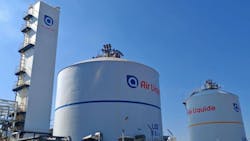
Air Liquide announced Dec. 5 it will invest approximately $29 million to upgrade and electrify an air separation unit in Yulin, Shaanxi Province, converting the steam-driven system to electric power and increasing oxygen output by about 10%. The project is expected to reduce CO2 emissions by an estimated 224,000 tonnes annually, with reductions rising to 550,000 tons per year as low-carbon energy sourcing ramps up.
The upgraded unit is scheduled to begin operations at the end of 2027. Air Liquide stated it will maintain supply during construction under an extended contract with a subsidiary of the Yanchang Group.
In a related announcement issued a day earlier, Air Liquide and Hyundai Motor Group renewed an agreement to expand hydrogen production, storage, transport and utilization across Europe, South Korea and the United States. The companies plan to focus on heavy-duty transport, logistics and public transit applications, according to the release.
Strategic priorities include hydrogen mobility deployment, expansion of refueling networks and development of a supply chain to support low-carbon hydrogen availability. The companies will also collaborate on technology innovation. In addition, the companies will work to advance standardization and policy development through the Hydrogen Council, where Air Liquide CEO François Jackow was recently appointed co-chair, along with Jaehoon Chang, vice chair of Hyundai Motor Group.
Armelle Levieux, supervising hydrogen activities at Air Liquide, said in the announcement the collaboration is key to accelerating the hydrogen economy. Ken Ramirez of Hyundai Motor Group added that the partnership aims to build a practical and sustainable hydrogen value chain.
According to Air Liquide, both announcements reflect the company’s efforts to reduce emissions in industrial gas production and support broader hydrogen adoption in global energy and transportation sectors.